Loading 3D models...
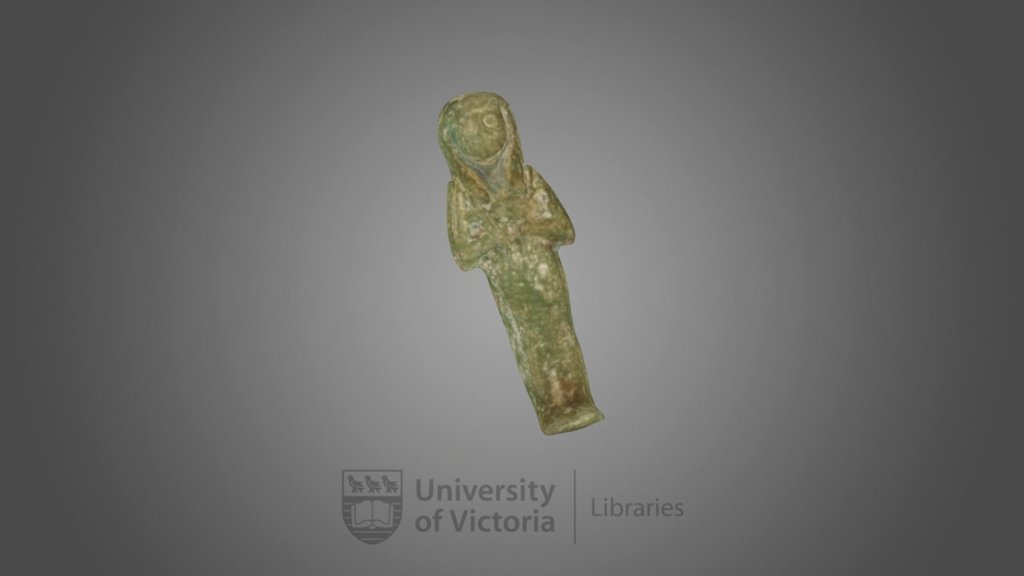
Ushabti 2
by cismas in cultural-heritage-history
60,000
Faces
30,002
Vertices
0
Textures
Free
Download
Description
Ushabti means ‘answerer’ – one who answers for the deceased. The popular explanation is that these figures would substitute for the deceased in performing any work required in the afterlife – the inscriptions on them would seem to bear this out. They first appear in the Middle Kingdom (c.2000 BC) but are not common until the New Kingdom (c.1500 BC). They were usually placed in the tomb of the deceased, by the late period in very large numbers. They were made of a variety of materials including wood, stone, pottery and faience. This example is probably made of faience, and is likely to date from 770-330 BCE.