Loading 3D models...
Susedgrad
by globe in cultural-heritage-history
145,778
Faces
61,767
Vertices
0
Textures
Free
Download
Description
The Croatian–Slovene Peasant Revolt or Gubec's peasant uprising of 1573 was a first in History large peasant revolt on territory forming modern-day Croatia and Slovenia. The revolt, sparked by cruel treatment of serfs by Baron Ferenc Tahy, who resided in the fortress of Susedgrad, ended after 12 days with the defeat of the rebels and bloody retribution by the nobility. In the late 16th century, the threat of Ottoman incursions strained the economy of the southern flanks of the Holy Roman Empire, and feudal lords continually increased their demands on the peasantry. In Croatian Zagorje, this was compounded by cruel treatment of peasants by baron Ferenc Tahy and his disputes with neighbouring barons over land, dating back to 1564, which escalated into armed conflicts. Battle of Stubica was fought. Gubec and his 10,000 men resisted fiercely, but after a bloody four-hour battle the baronial army defeated and captured Gubec. 3,000 peasants died in the battle Gubec was publicly tortured and executed on Feb 15th.
Technical Details
Related Models
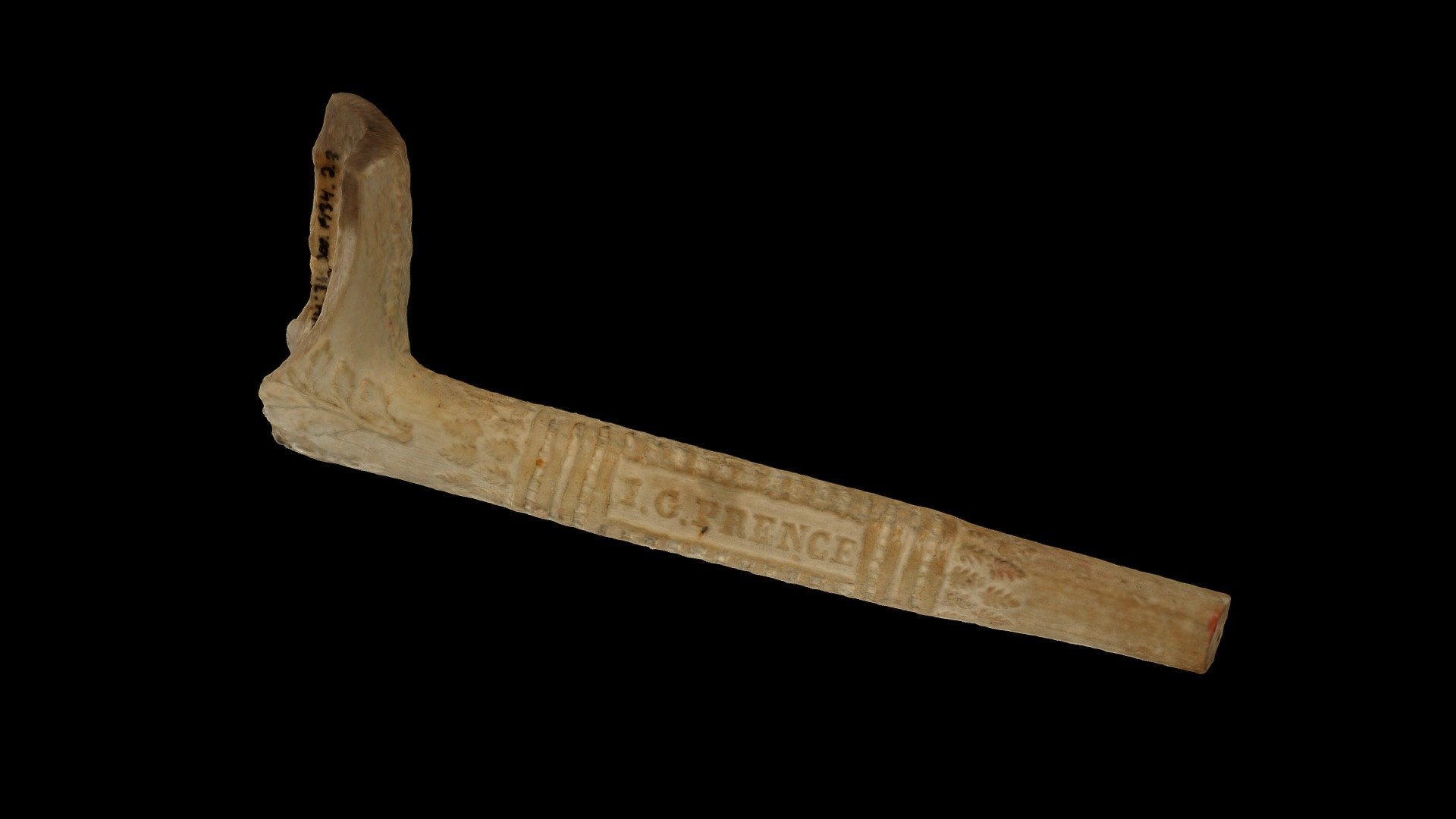
I.G. Prence Smoking Pipe
95,754 faces
Free
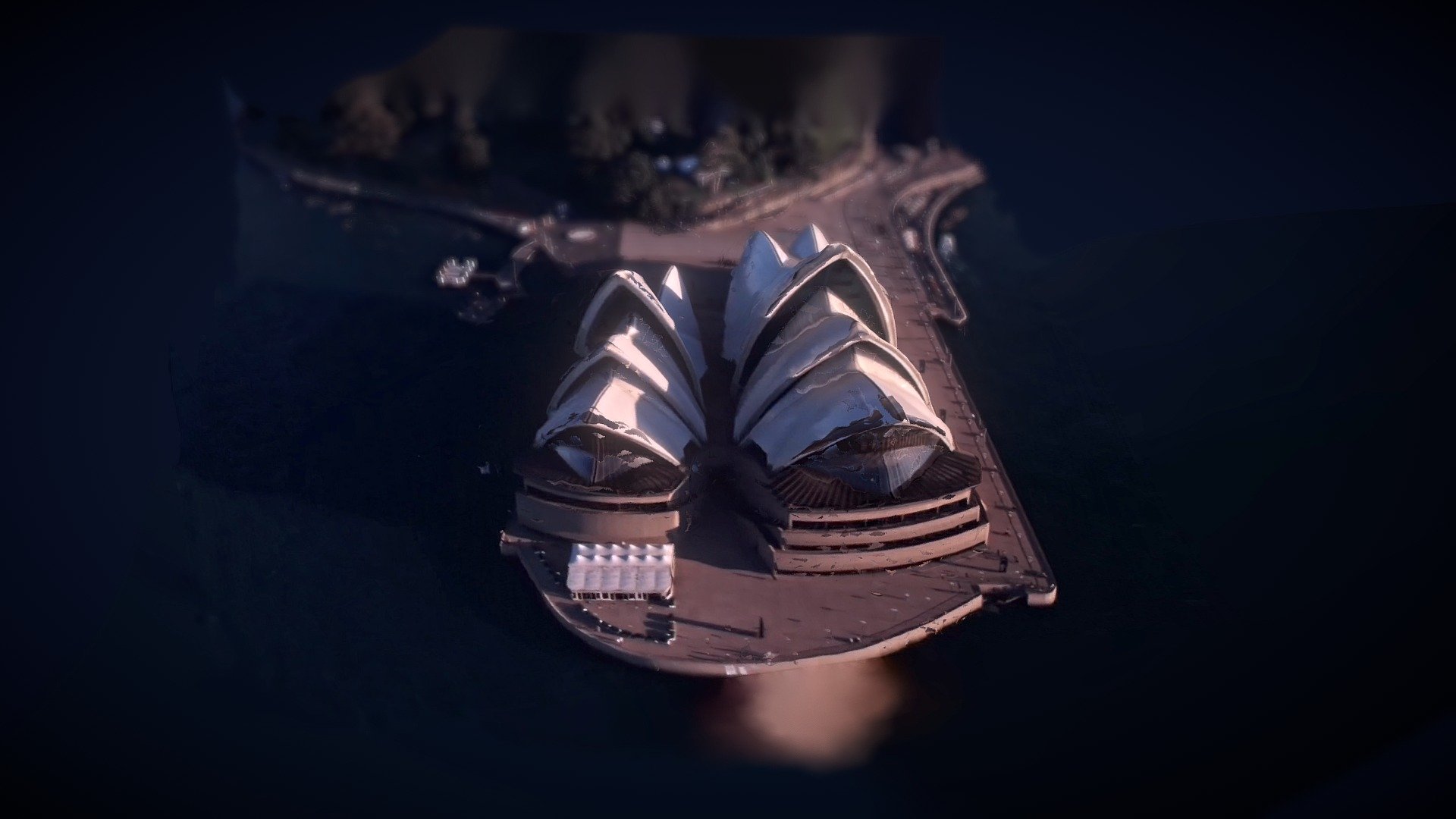
City Opera
633,000 faces
Free

Research Institute Sklifosovsky
271,331 faces
Free
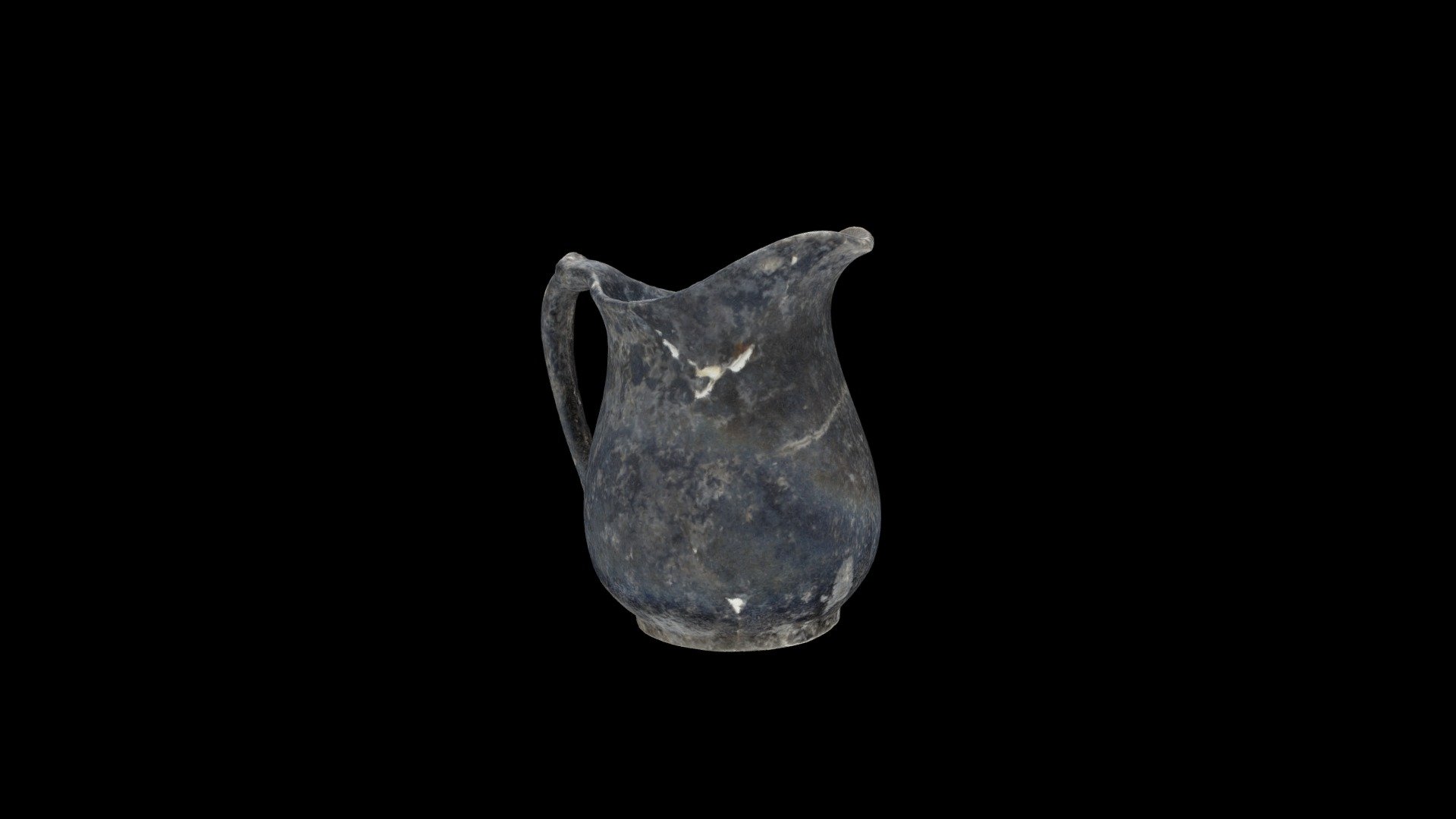
Historic Ceramic Pitcher
467,875 faces
Free
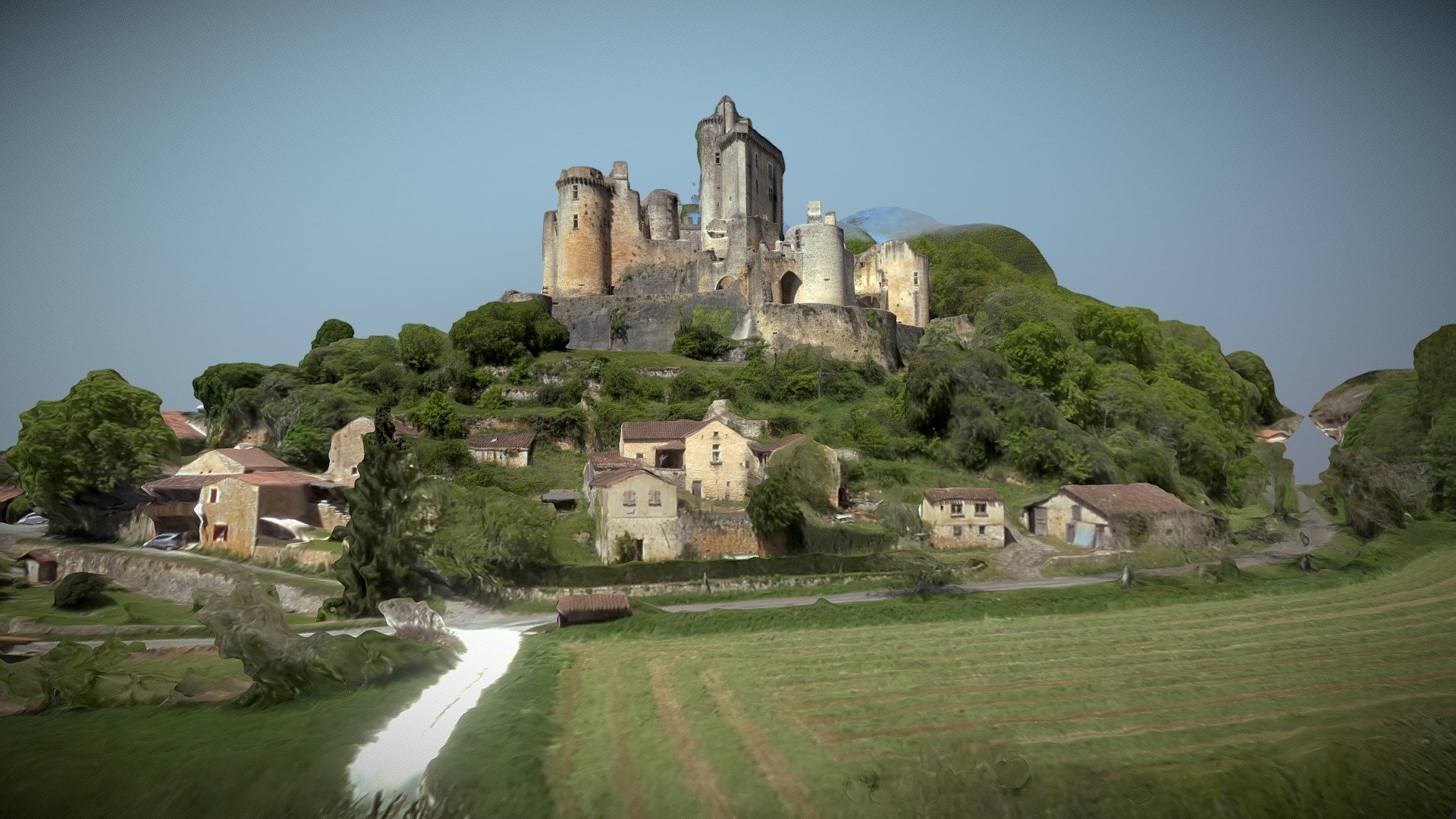
Château De Bonaguil
1,313,300 faces
Free
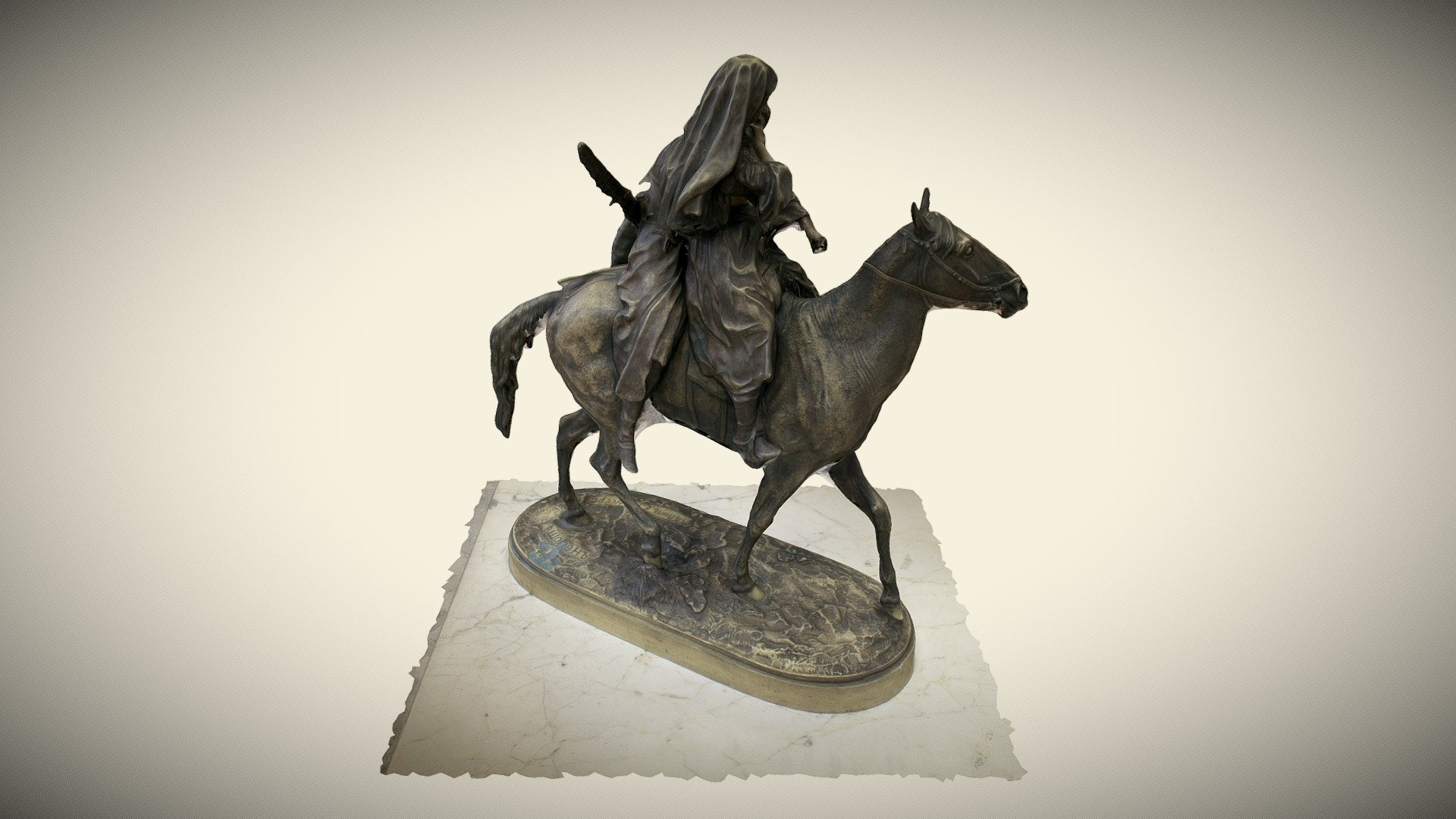
RIDER
107,210 faces
Free
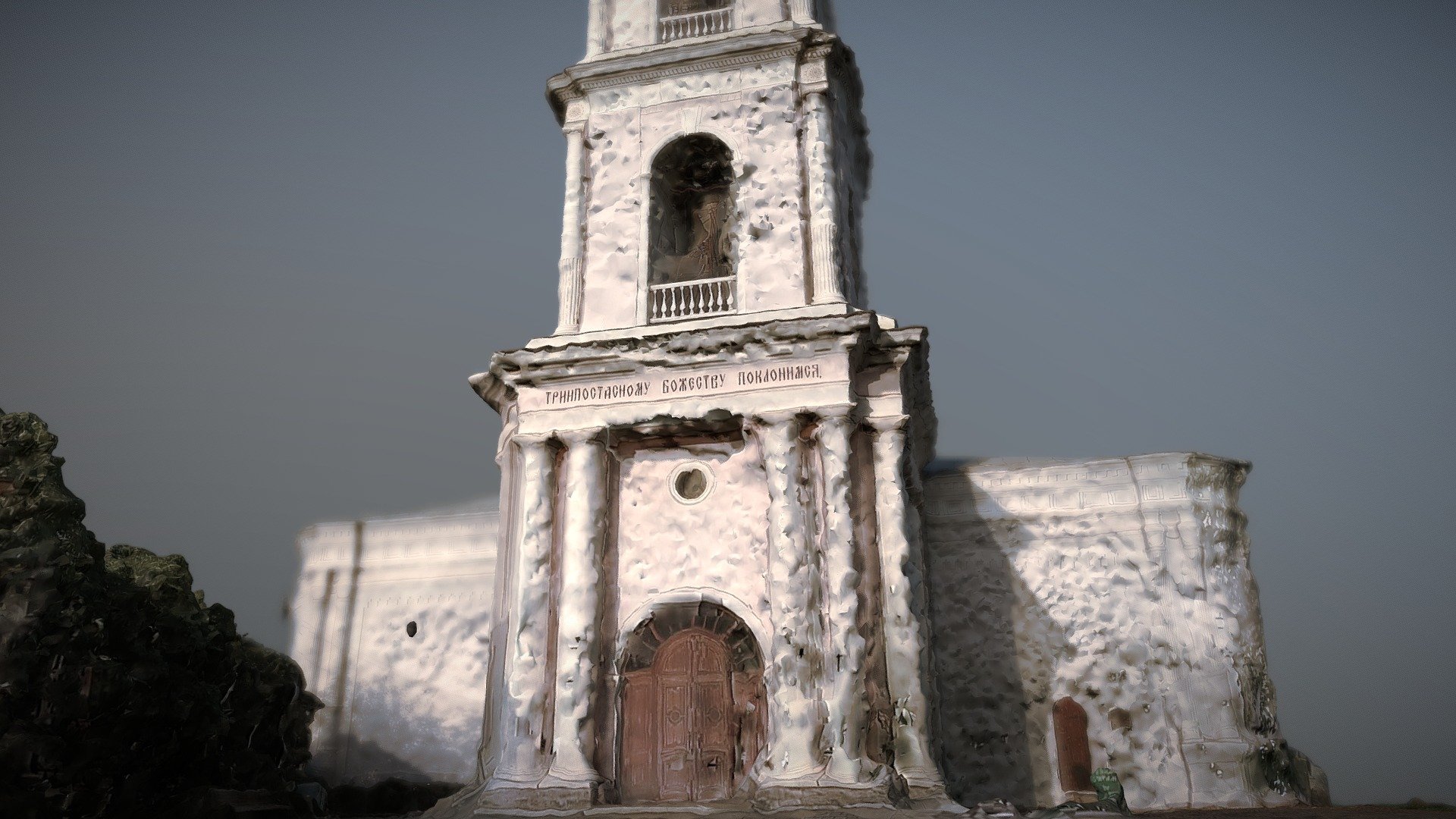
Church
622,448 faces
Free
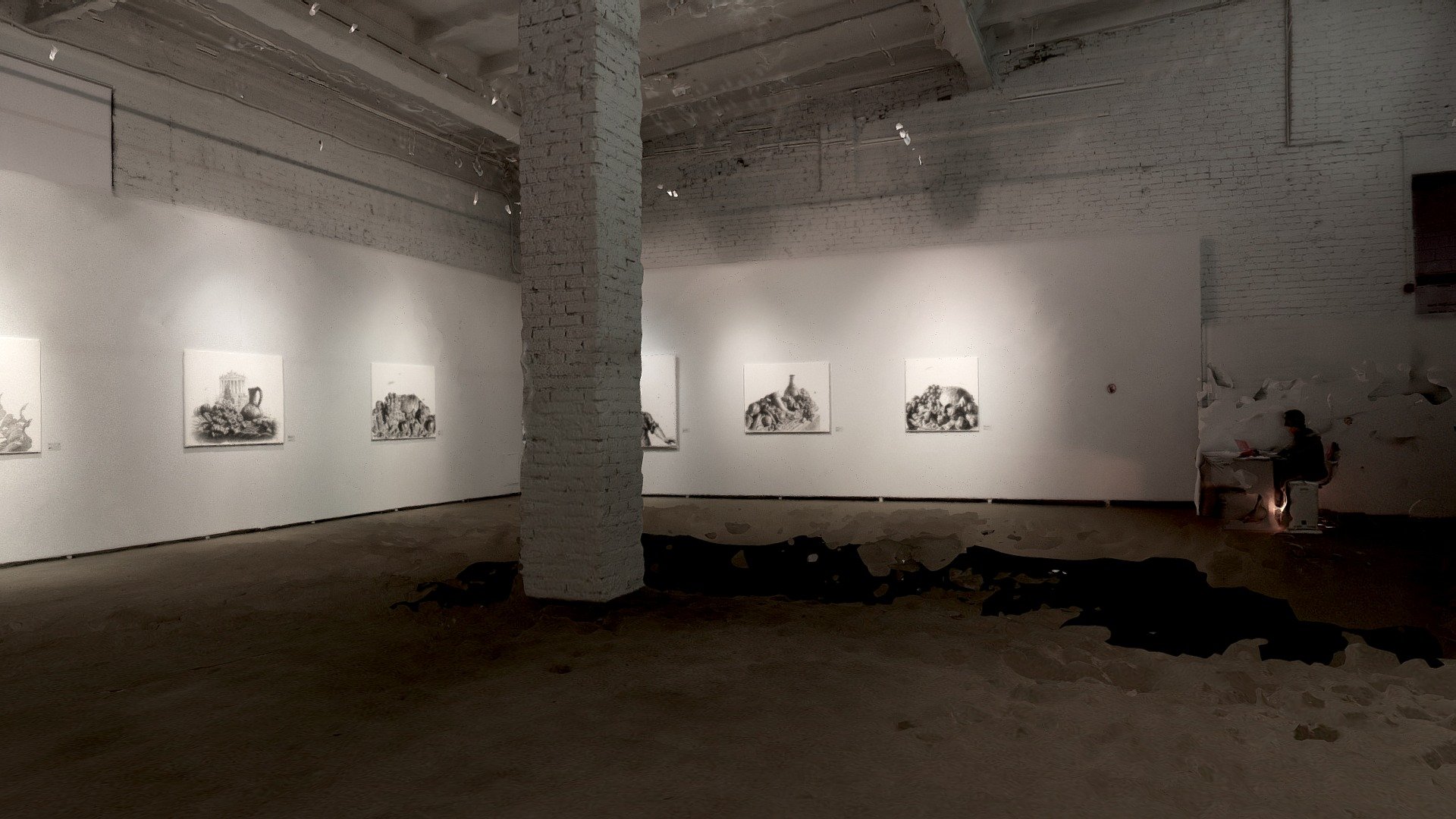
Gallery POP/OFF/ART "Blackwead" SERGEY GETA
1,311,000 faces
Free