Loading 3D models...
Nabonidus Chronicle
by Tony.George in cultural-heritage-history
21,376
Faces
10,690
Vertices
0
Textures
Free
Download
Description
The Nabonidus Chronicle (Also called Annalistic Tablet of Cyrus; Cyrus-Nabonidus Chronicle) this is a clay tablet fragment now kept in the British Museum. It primarily depicts the main events of the reign of Nabonidus, including a terse account of the fall of Babylon to the troops of Cyrus. Though it was no doubt originally from Babylon and written in Babylonian cuneiform script, scholars who have examined its script style say it may date from some time in the Seleucid period (312-65 B.C.E.), hence two centuries or more after Nabonidus’ day. In spite of the brevity of the Nabonidus Chronicle—the tablet measures about 14 cm (5.5 in.) in breadth at the widest point and about the same in length—it remains the most complete cuneiform record of the fall of Babylon available. On the remaining text secular chronologers calculate the 16th day of Tashritu (Tishri) as falling on October 11, Julian calendar, and October 5, Gregorian calendar, in the year 539 B.C.E. https://wol.jw.org/en/wol/d/r1/lp-e/1200003156
Technical Details
Related Models
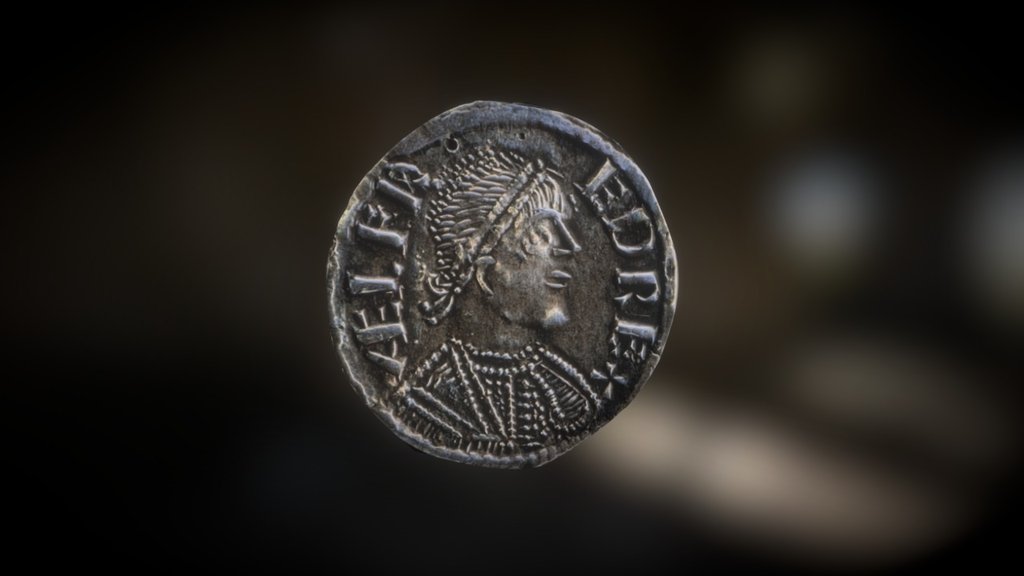
Silver penny of Alfred the Great
652 faces
Free

Ancient Roman furniture: metal brazier
1,424 faces
Free
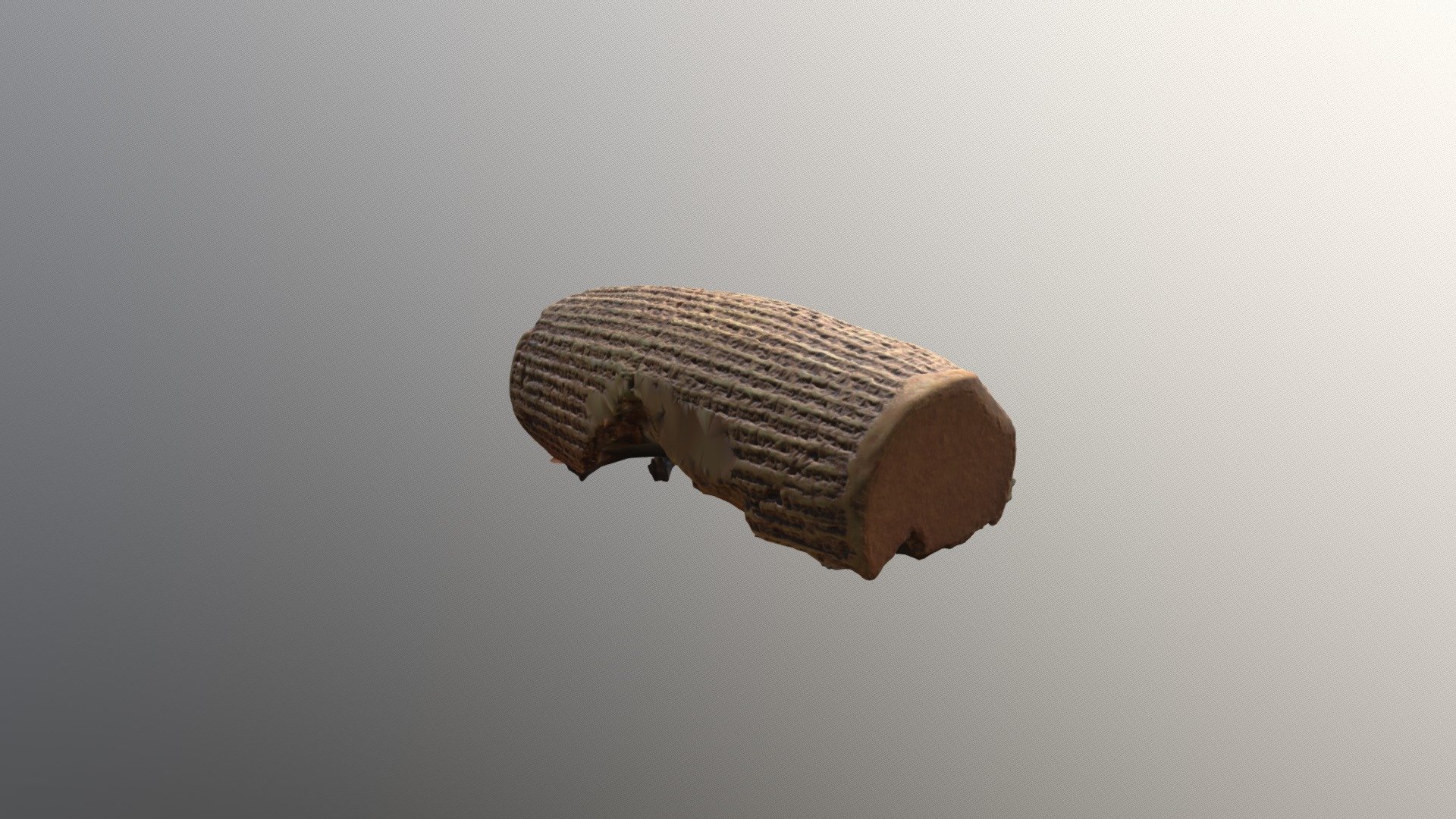
Cyrus The Great Cylinder
1,000,000 faces
Free
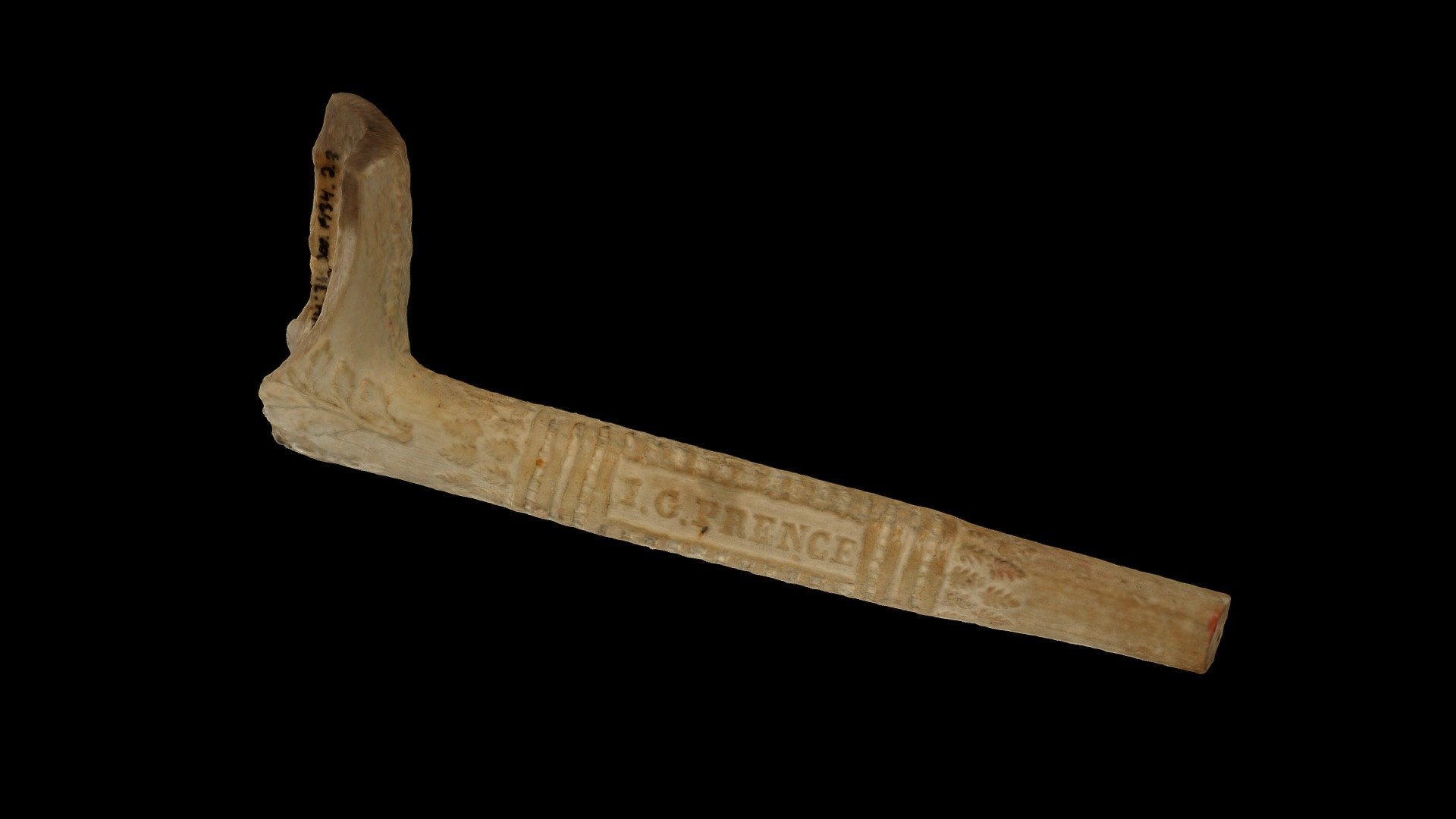
I.G. Prence Smoking Pipe
95,754 faces
Free

GALLERY V
1,333,968 faces
Free

Underground Water Channel - 14k tris
7,414 faces
Free

moto stend
837,002 faces
Free
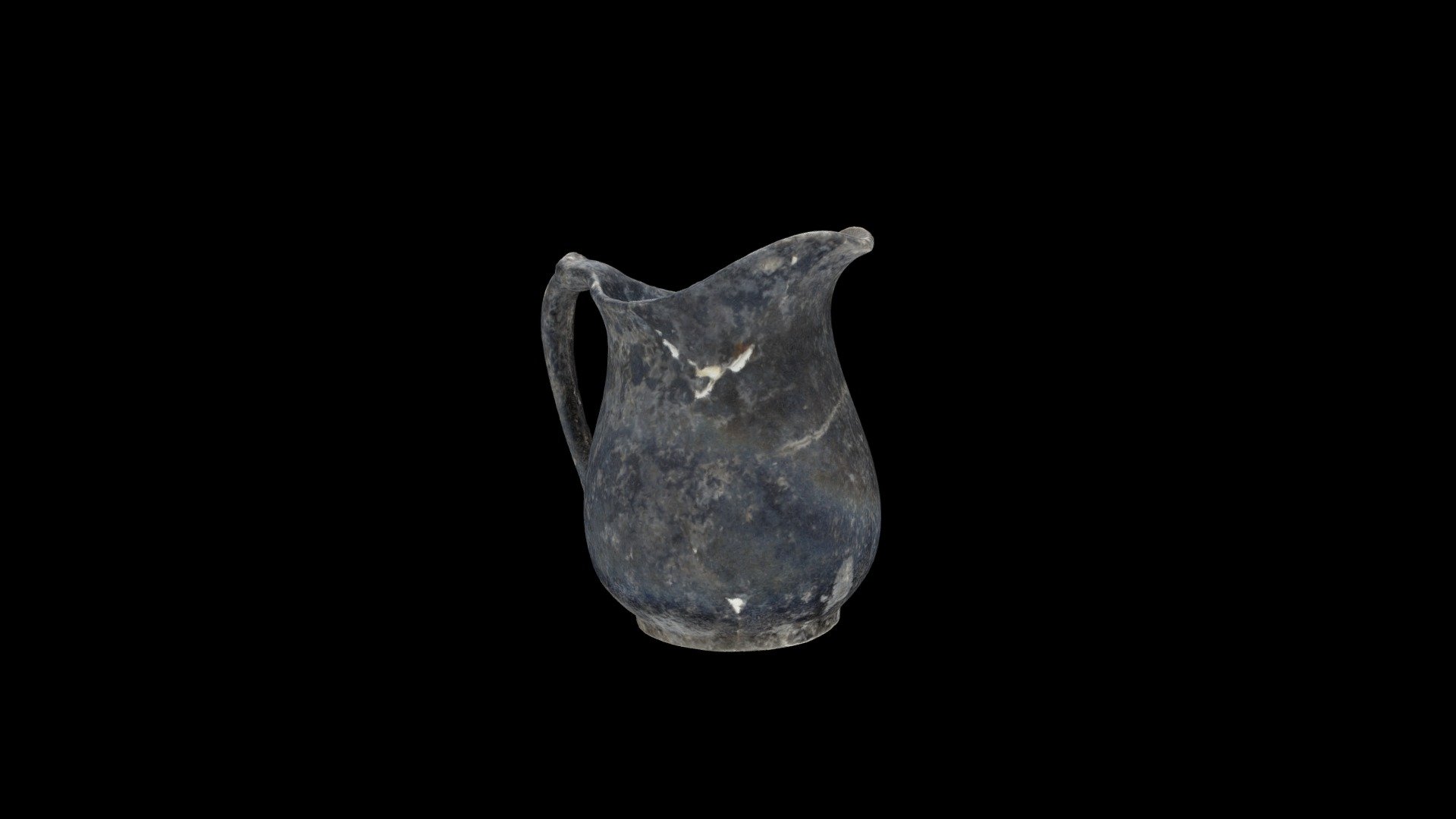
Historic Ceramic Pitcher
467,875 faces
Free